You turn on the tap, lean in for a drink, and there it is. That unmistakable rotten egg smell. It is one of the most common water complaints we hear from North Florida homeowners, and the good news is that it is almost always fixable once you know what is causing it. Here is what that smell actually is, how to figure out where it is coming from, and the real ways to get rid of it.

The smell comes from a gas called hydrogen sulfide. Even a tiny amount, just one or two parts per million, is enough for your nose to pick it up, which is why the smell can feel so strong even when the water looks perfectly clear. Hydrogen sulfide forms when sulfur in the ground meets certain bacteria, and it can also be produced right inside your water heater. So the smell is not always coming from where you think.
Most of the time it is a nuisance rather than a health emergency. The CDC notes that the low levels of hydrogen sulfide usually found in drinking water are not typically a health concern, though they can certainly make your water unpleasant to use. It is still worth fixing. Beyond the smell, hydrogen sulfide can tarnish silverware, leave dark stains on sinks and fixtures, and slowly corrode the metal parts in your plumbing and appliances.
Before you spend a dollar on a fix, do this quick test. Run the cold water at a tap and smell it. Then run the hot water and smell that. What you notice tells you a lot.
This two minute check saves a lot of guesswork, and it is the first thing a good water pro will ask you about anyway.
If you are on well water here in the Jacksonville area, or anywhere across North Florida, you are drawing from the Floridan aquifer. That water moves through layers of limestone and organic material that are naturally rich in sulfur. Add in the warm temperatures we get most of the year, which bacteria love, and you have the perfect recipe for hydrogen sulfide. City water can carry it too, but private wells are where we see the rotten egg smell most often.
For most homes, the levels are low enough that the smell is the main problem, not your health. You will probably notice you drink less water and reach for the bottled stuff, simply because nobody wants a glass that smells like eggs. That said, a strong sulfur smell can be a sign that other things are going on in your water, like iron or bacteria, so it is smart to get it tested rather than just live with it or try to mask it.
The right fix depends on what your hot and cold test told you.
Water heaters have a part called an anode rod that protects the tank from rust. In water with the right chemistry, that rod can react and produce hydrogen sulfide, which is why the smell shows up in hot water only. Swapping the standard rod for a different type, or flushing and disinfecting the tank, often clears it up. This is usually the cheapest fix, so it is worth ruling out first.
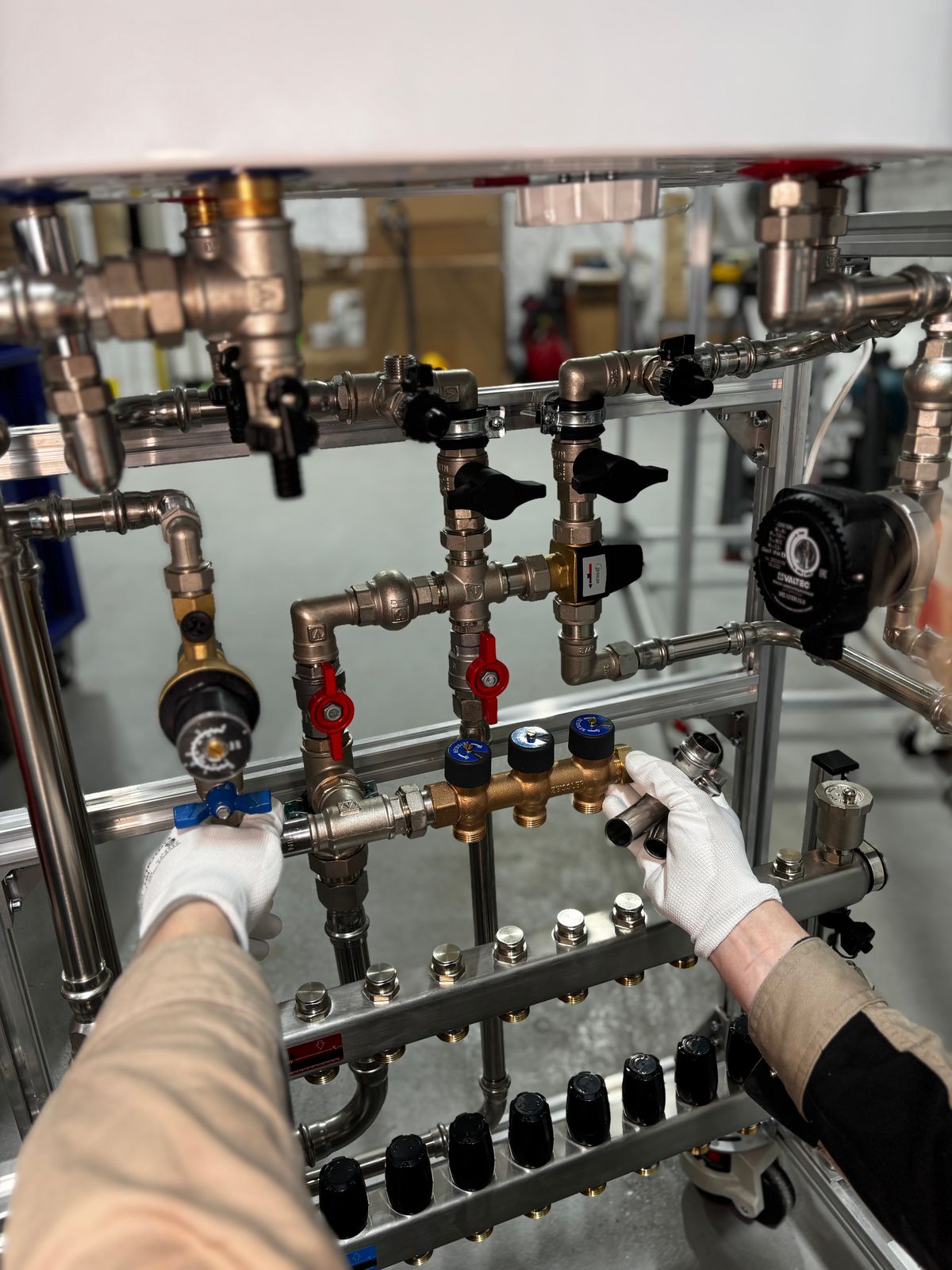
When the smell is in all your water, you need to treat it at the point where it enters your home, before it reaches a single faucet. The most reliable approach is a whole-home system that oxidizes the hydrogen sulfide and then filters it out. Our Kenai AirOxPro iron and sulfur filter does exactly this, using natural oxidation instead of harsh chemicals, so you get clean, odor-free water at every tap.
This one surprises people. A water softener is great for hard water, the kind that leaves scale and spots, but softening and sulfur removal are two different jobs. A softener on its own usually will not get rid of a rotten egg smell. Many North Florida homes do best with a softener and a dedicated iron and sulfur filter working together, which is why a quick water test matters before you buy anything.
None of these replace a proper test, but they help you describe the problem clearly when you call someone.
If the smell is in your cold water, shows up at every faucet, or comes with staining, it is coming from your water, and a whole-home solution is the way to go. A free water test will tell you exactly what is in your water and which fix actually fits your home, instead of guessing and hoping. Because Waterboy is locally owned and family operated right here in North Florida, we know the Floridan aquifer and the homes it serves, and we size every system to the specific water in your house.
That rotten egg smell in your water does not have to be something you just put up with. If your Jacksonville or North Florida home has it, reach out to Waterboy for a free, no-pressure water test, and we will help you get back to water that smells and tastes the way it should. Call us anytime at (850) 464-1755.
 Waterboy